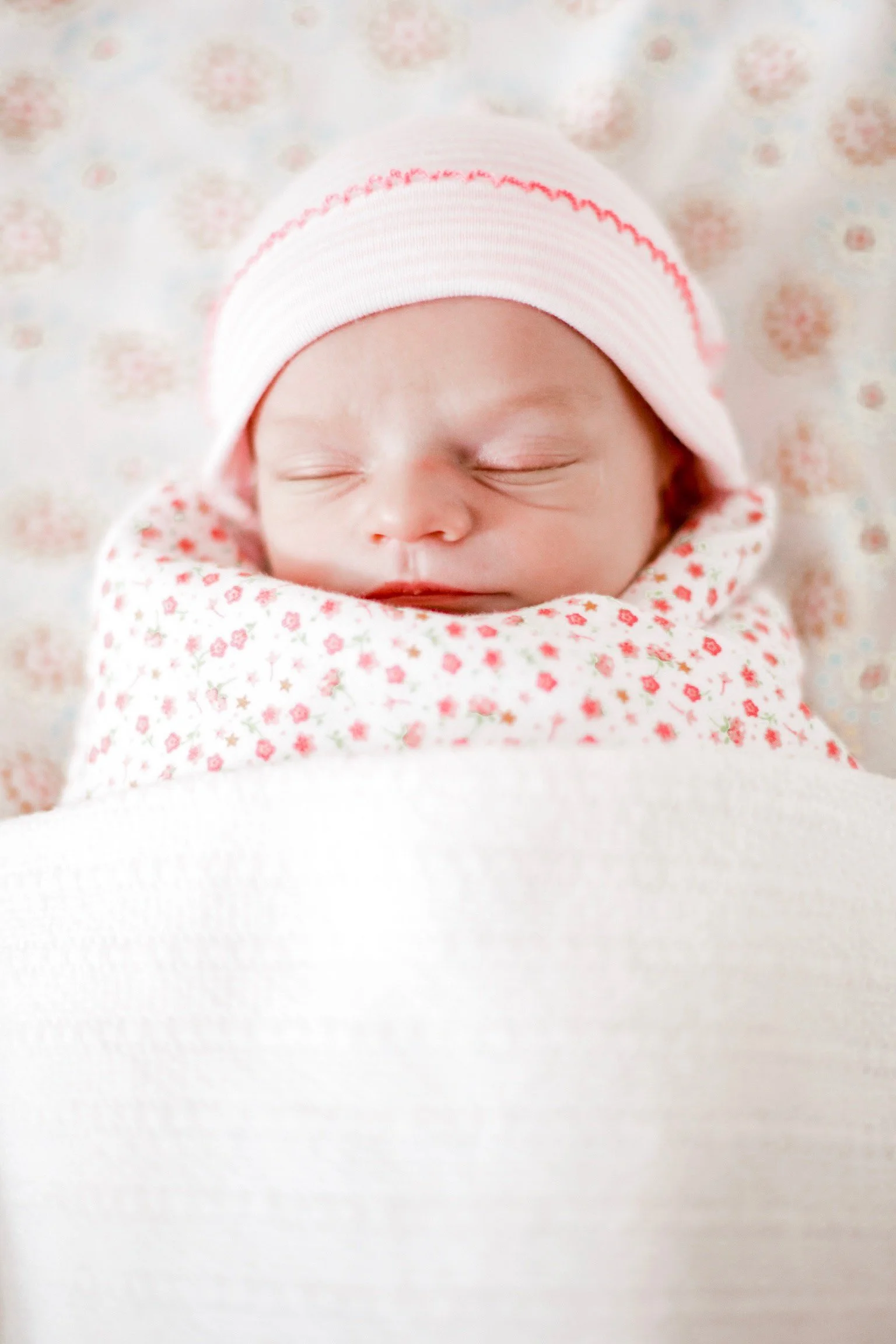
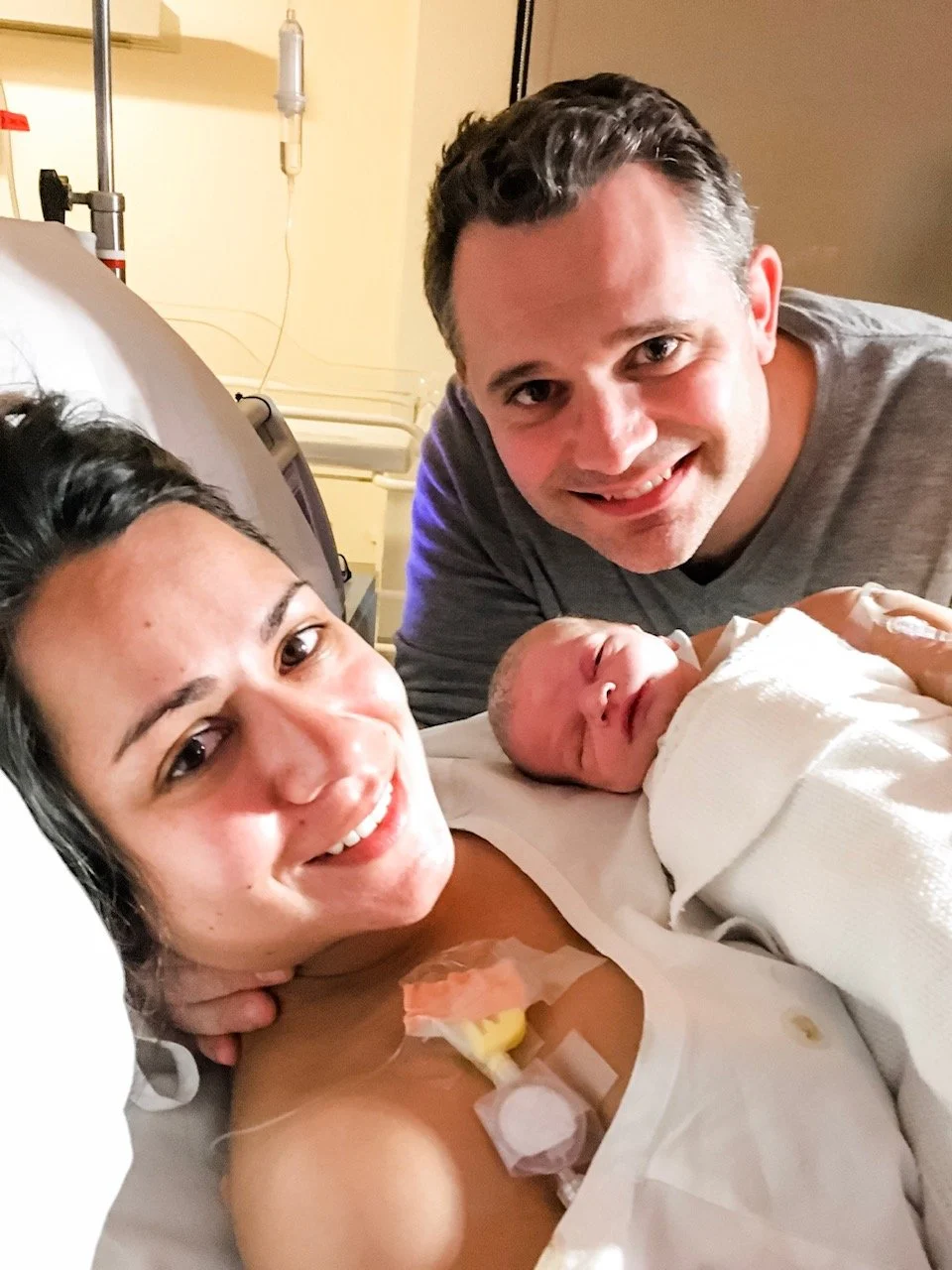
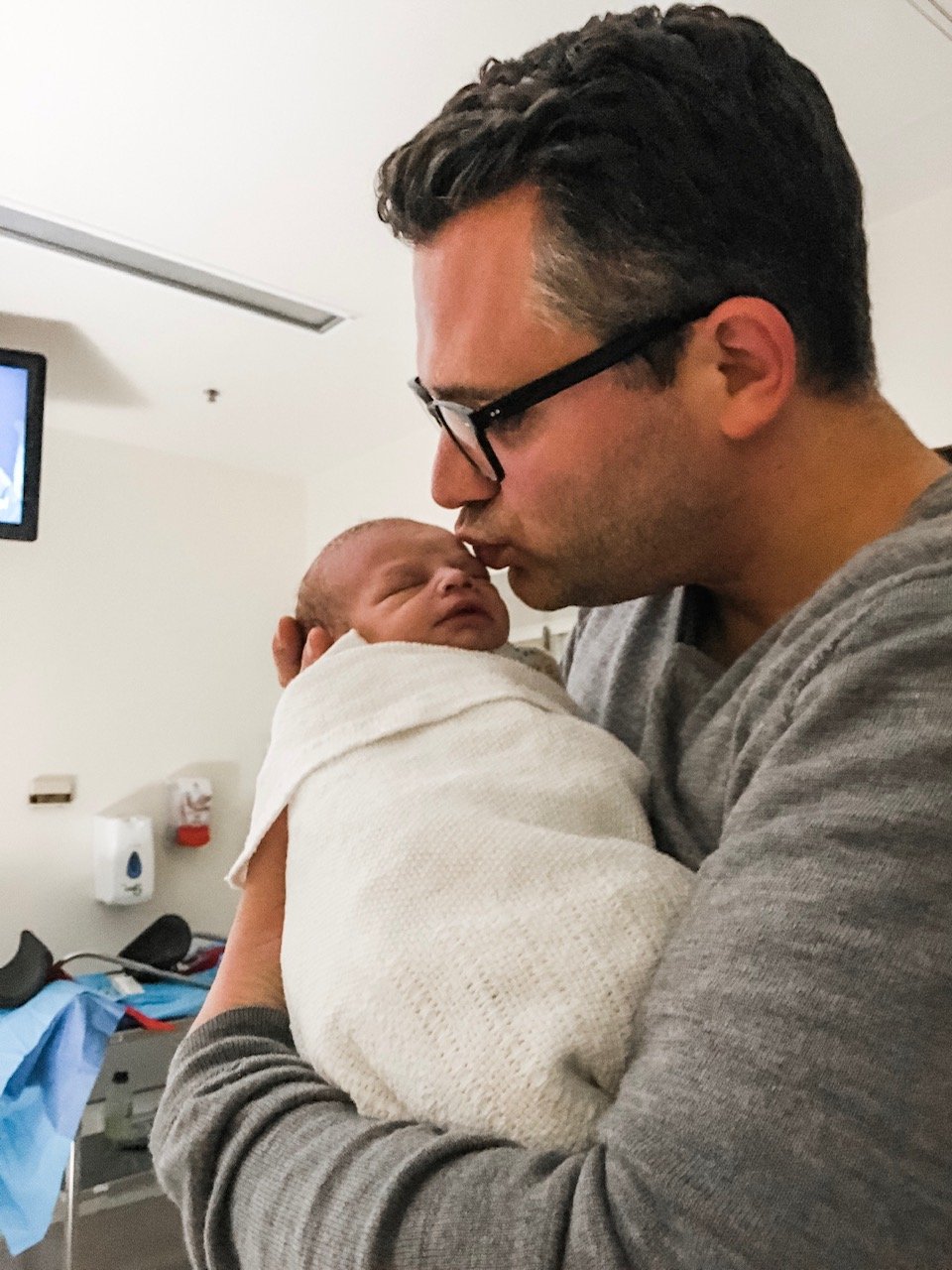
Does your body start to hurt when you approach a milestone like an anniversary or birthday of a child that has died? Did you know that our cells can hold an imprint of past traumatic events? These imprints can manifest as a physical ache or pain like an early warning sign of a significant date.
Tomorrow is Lily’s 6th birthday. I slept poorly last night and this morning I woke up physically hurting. How can my baby be turning six? What would she look like if she was here? How tall are six-year-olds? What are they into? How different would my life be with a 6-year-old, instead of where I find myself now - pregnant and about to start the newborn phase for the 3rd time?
It has been 5 years and 2 months since Lily died and it still feels bitterly unfair. My daughter is not here. My firstborn. As the sunlight streams in through the window, I lie in the same bed as I did six years ago, thinking of the time leading up to Lily’s birth.
Prior to Lily’s diagnosis, I was an eager first-time mum, with dreams of hypnobirthing and drug-free labour. Everything changed when we were told at 37 weeks that Lily had a catastrophic brain condition. There is no way to sugarcoat it, fear and sadness seeped into everything. Having learnt our baby had a terminal illness, would have severe disabilities, and a malformed brain I was terrified. I did not sign up for this.
All thoughts about birth plans were pushed aside, as we grappled to adjust to a whole new reality. A new universe. One where dreams are shattered and life-altering diagnoses are served up by doctors in white coats. Where words like seizures, epilepsy and disability become part of your vernacular. Where overwhelming sadness at the fate of a much longed-for future sees you clinging to your partner as though you are both drowning. Shoulders shuddering in unison, you sob. Even now I can feel that pain. It is as visceral as it ever was. The feeling of bile rushing up into my throat, vomiting on myself in the car after receiving that terrible news. The trauma. Six years on it still has the capability to transport me back in time.
Diagnosis day. A day many families refer to as ‘D Day’. The day everything changed, the day that marks the separation of our life permanently into ‘before’ and ‘after’. It is a strange thing to be able to clearly pinpoint a moment in time when everything changes. For most people change happens gradually, they adapt through life experiences. What does it mean that a select few step into a portal of instant transformation? Why does it happen? Is there any sense in it? I do not know. I will never understand it.
After receiving Lily’s diagnosis, we waited over a month for her to arrive. I spent my days crying. Crying in the shower, crying on the couch with mum, crying in bed with Will, walking and crying with my friend Claire. So many tears, a lifetime of them. For a break from crying, Will and I would watch Harry Potter on repeat and then cry some more. We knew our baby was going to die, we just didn’t know when, how it would play out or what life was going to be like caring for a child with a disability and a terminal diagnosis. It was like standing on a ledge peering into a chasm of darkness and knowing we were about to be pushed off. Powerless to stop it.
It was a brutal time, the future haunting us. It is only now years later (and with a bucket load of therapy), I can admit that a part of me wanted it all to be over. To be done. If you feel like this or have felt this in a similar situation - I want you to know it is normal. It is a part of what is known as ‘anticipatory grief’. Our non-stop crying about something that hadn’t happened yet was also anticipatory grief.
Back then I didn’t know it had a name, and I felt like a monster for feeling it. I harboured deep guilt that something was wrong with me. Really, I was looking for some semblance of control. I wanted to know what and when, and I wanted to be able to plan and prepare. Everything was so uncertain, from how long Lily would live and what life would be like with a poorly baby.
Mostly I wanted this nightmare to be a mistake. That the doctors had got it wrong, that my baby was healthy, they’d call and explain it was an administrative bungle. I spent hours daydreaming about that phone call.
In those torturous weeks, Will and I did plan for Lily’s birth in our own way. We used the time for extensive consultation with medical experts, geneticists, psychiatrists, paediatricians and palliative care experts. This enabled us to decide to allow Lily to come naturally and in her own time (so long as it was safe). A non-interventionist philosophy became a big part of forming our approach to Lily’s life, as we resolved to make it as least medicalised as it safely could be, embracing the fullness of paediatric palliative care to enable that.
So on 6 November at 42 +++ weeks, we were close to the deadline the doctors would allow me to wait for a natural birth. That morning, I went to see my doctor and she said that the amniotic fluid was lower around the baby. We were at decision time. I asked to go home and come back in the morning.
A change happened over the next few hours. I felt a release, an acceptance. A voice whispering over my shoulder ‘it will be ok’. I don’t know where it came from, but I am convinced that this stimulated a release of oxytocin into my body, triggering labour. That night as we went to bed, I began to feel the small tightenings, which by morning had strengthened into intense surges.
Most women are excited at this point, they know they are one step closer to birthing their baby. To becoming a mother. I was not. I didn’t want labour to happen. I tried to downplay it during that long night, to fool myself that it wasn’t happening. I knew we were about to be dragged further through the doors of our new reality. I wanted to keep Lily safely inside me, and in my heart, I knew I was already her mother.
I laboured at home all morning, with my mum (a retired midwife) and Will my beautiful husband. Torn with the same grief as I, his heart had broken for me and mine for him. The paradox of those few weeks was that the horror we were going through brought our love into intense focus. There is nowhere to hide in your relationship when your world is falling apart. But, we felt only pure love. Nothing else mattered but the three of us. We wanted to protect each other and protect Lily. Love beamed from within, it felt like it had encapsulated us together inside a golden orb. Despite the horror of what was happening nothing could shatter it. In fact, the worse things got, the stronger our little orb became.
To love and be loved like that, I see now as a huge privilege. It created a bond which can never be undone, a sense of perspective for what matters, and a joy in the simplest of moments. For that, we count ourselves as the lucky ones.
As the morning wore on and the surges got more intense, mum said she thought it was time to call the hospital. The Epworth in East Melbourne had been briefed on our situation and told me to come in immediately. We were ushered into a beautiful birth suite with views across the park. My doctor came in and told us we could go out, for a walk in the park, or do whatever felt right. But I didn’t want to leave the 4 walls of the birth suite. I felt safe, cloistered from reality. I wouldn’t leave that hospital floor for another 6 days.